
How to Find an Active Gopher Tunnel Entrance
Gophers can cause serious damage to lawns, gardens, vegetable beds, and young fruit trees. When controlling gopher activity, one of the most important steps is finding an active gopher tunnel entrance. If a KEVENZ control device is placed in the wrong location, its effectiveness may be greatly reduced, even if the product itself works well.
For KEVENZ automated gopher-control devices, correct placement is especially important. These devices are designed to deliver the best control performance only when they are installed near an area where gophers are actively moving.
Step 1: Look for Fresh Gopher Mounds
The easiest starting point is to check the ground for newly formed mounds.
Fresh gopher mounds usually appear as loose, slightly moist piles of soil pushed upward from underground. They may appear overnight, or they may form soon after a short new round of gopher activity. Older mounds, by contrast, often look dry, flattened, or weathered by wind and rain. See Fig. 1.
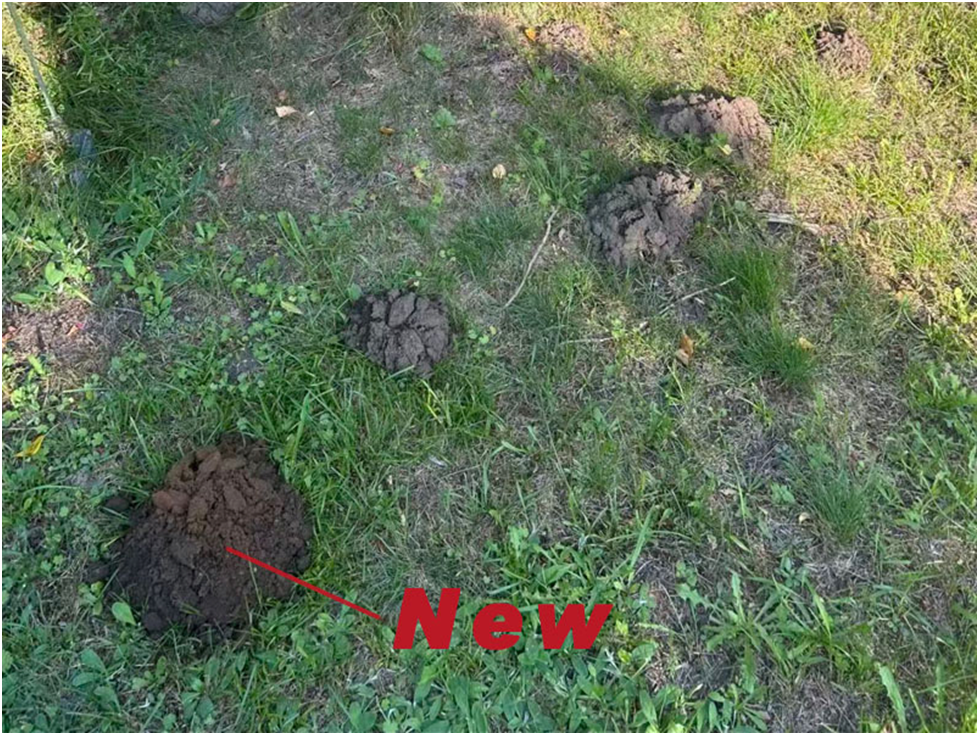
Fig. 1 Select the newest mound
If you find several fresh mounds in the same area, this is usually a clear sign that the underground tunnel system is active. Choose the largest mound, especially one connected to nearby mounds, as the installation point.
Step 2: Choose the Largest Mound
Among a series of fresh mounds, give priority to the largest one, because it is usually located above the gopher’s main tunnel. The entrance associated with this mound is more likely to connect to the main tunnel. A second good choice is the area between two connected mounds, because the tunnel entrance is often located between them, making it easier to find. See Fig. 2: The gopher tunnel entrance is between the mounds.
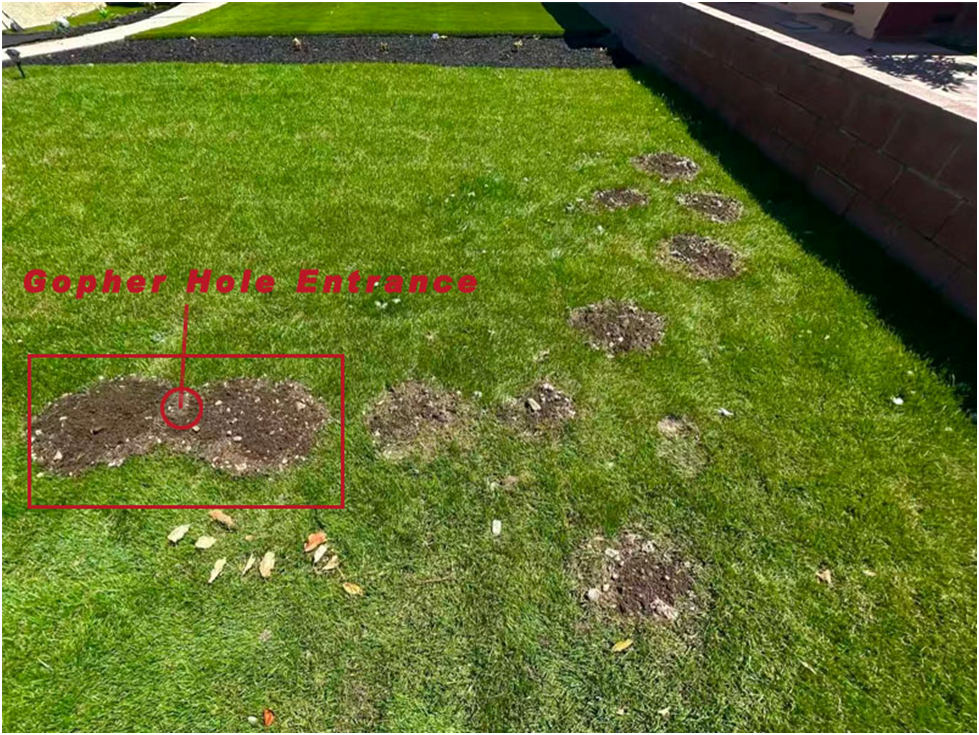
Fig. 2 The gopher tunnel entrance is between the mounds
Step 3: The Gopher Tunnel Entrance Is at the End or Edge of the Soil Pile
Gophers spend most of their time underground. They push soil upward at an angle from the side, so the gopher tunnel entrance is usually located at the edge of the soil pile, not in the center. See Figs. 3, 4, and 5.
When gophers dig at an angle, they push soil outward in a fan-shaped pattern. After digging, they firmly plug the entrance with soil. Therefore, along the flatter or slightly sunken edge of the mound, you can often see a round soil-plug mark. This is the gopher tunnel entrance.
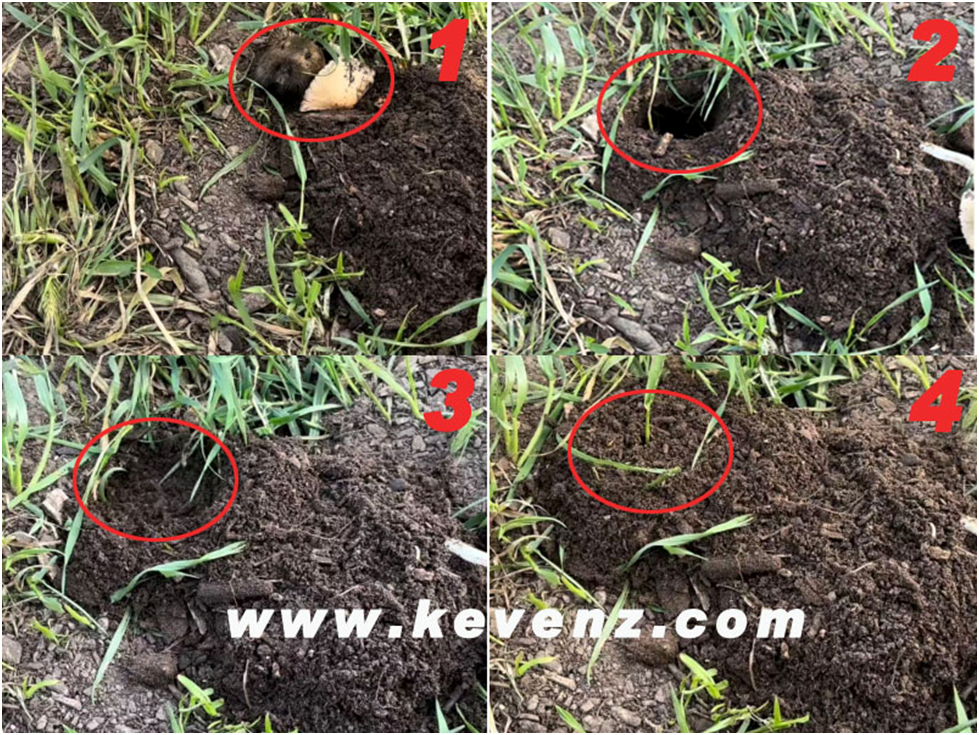
Fig. 3 The gopher tunnel entrance is at the end of an elongated soil pile (higher ground side)
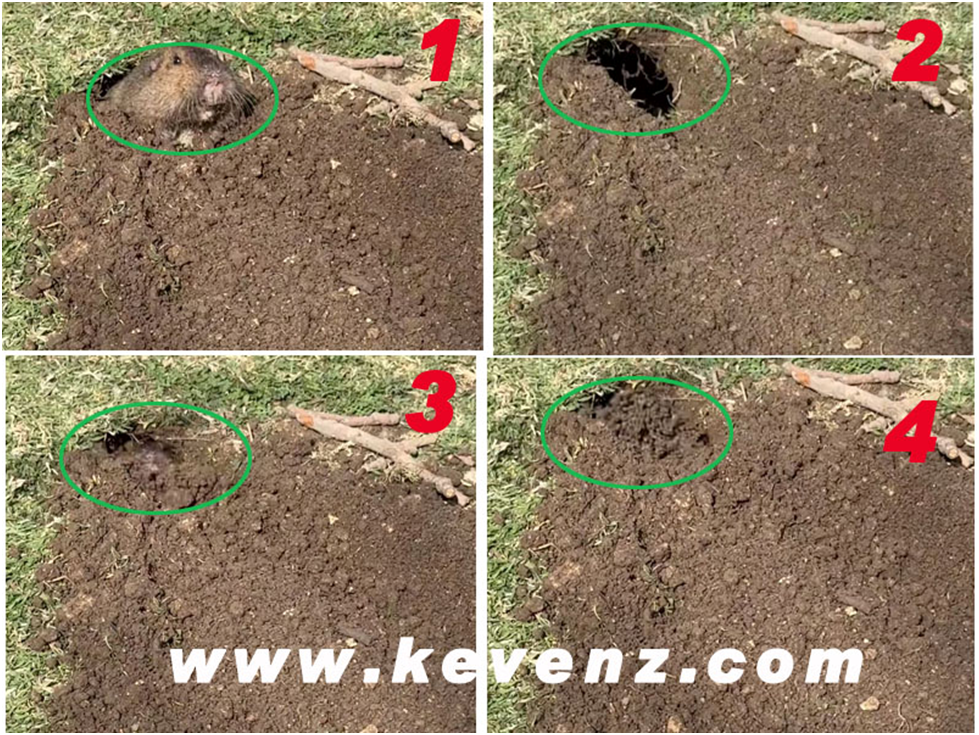
Fig. 4 The gopher tunnel entrance is along the edge of a fan-shaped mound
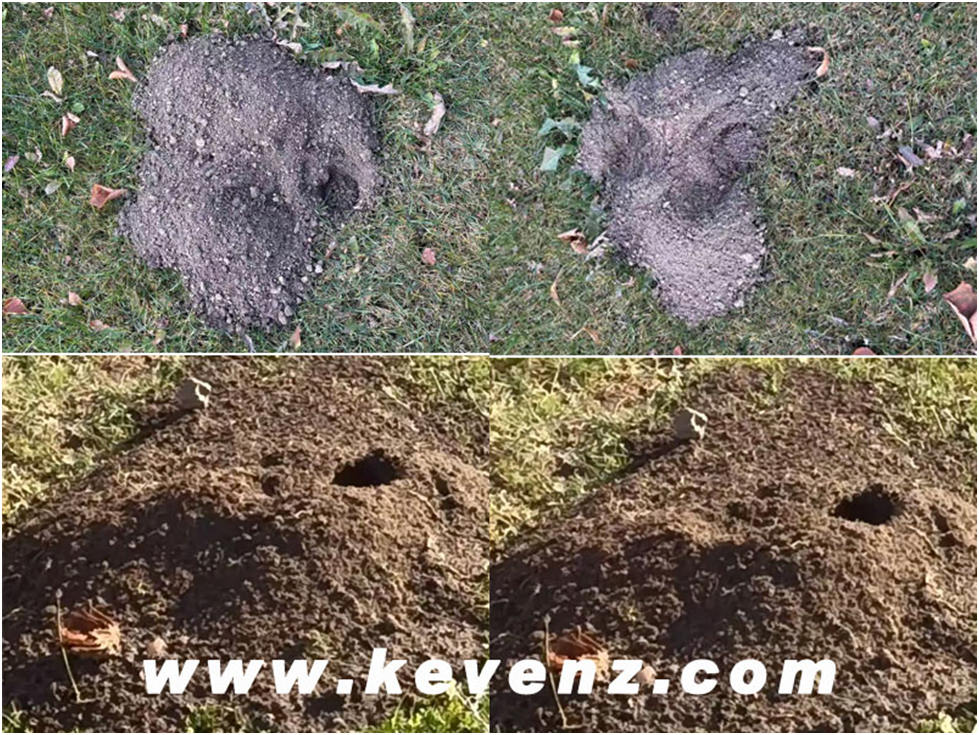
Fig. 5 Relative position of the gopher tunnel entrance
Step 4: Choose the Most Active Gopher Tunnel Entrance for Installation
Not every opening that gophers create near the ground surface serves the same purpose. The appearance of different gopher tunnel entrances often reflects how recently and why they were used. Before installing the device, first determine whether the entrance is a soil-pushing opening, a feeding opening, or a ventilation opening, and then choose the most suitable position.
If an opening is uncovered, the soil inside looks moist and fresh, the surrounding area has almost no loose soil debris, and the opening looks clean, it is likely a temporary ventilation opening that the gopher has just opened. Because gophers usually return within a short time to plug this type of opening with soil, a fresh open ventilation hole is an excellent installation location. See Fig. 6: Emergency gopher ventilation opening.
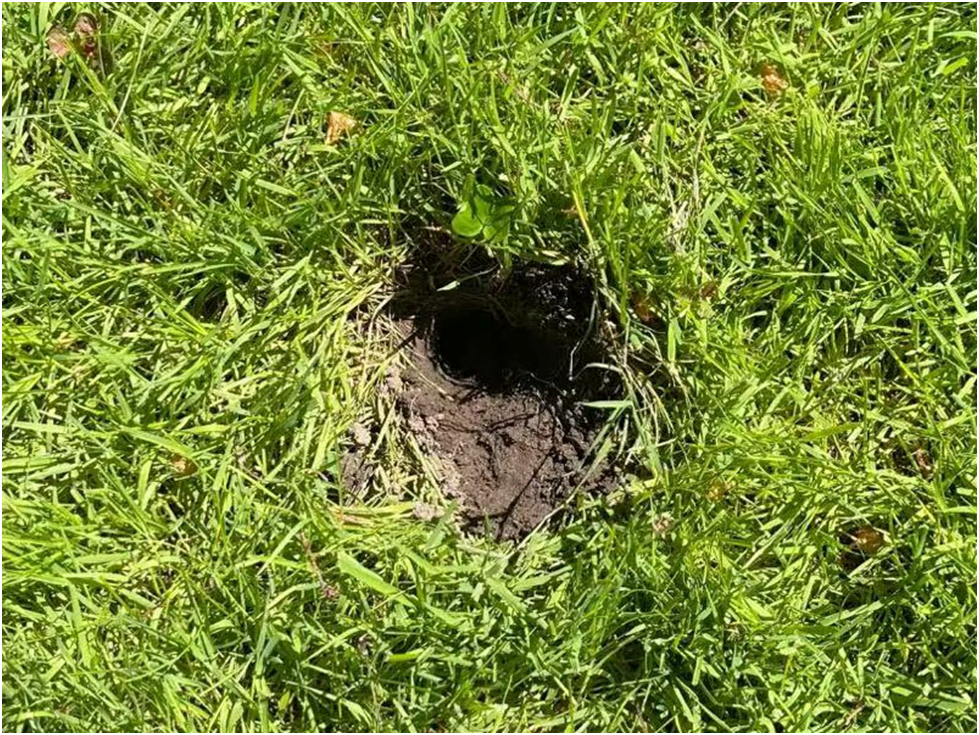
Fig. 6 Emergency gopher ventilation opening
In general, an opening with a large mound, a large amount of soil, a wider entrance diameter, and obvious fresh loose soil around it is a soil-pushing opening used by the gopher to remove excess soil while digging tunnels. This type of opening is usually connected to an active main tunnel and shows clear activity signs, making it a priority location to inspect for installation. See Fig. 7: Soil-pushing opening for gopher tunnel construction.
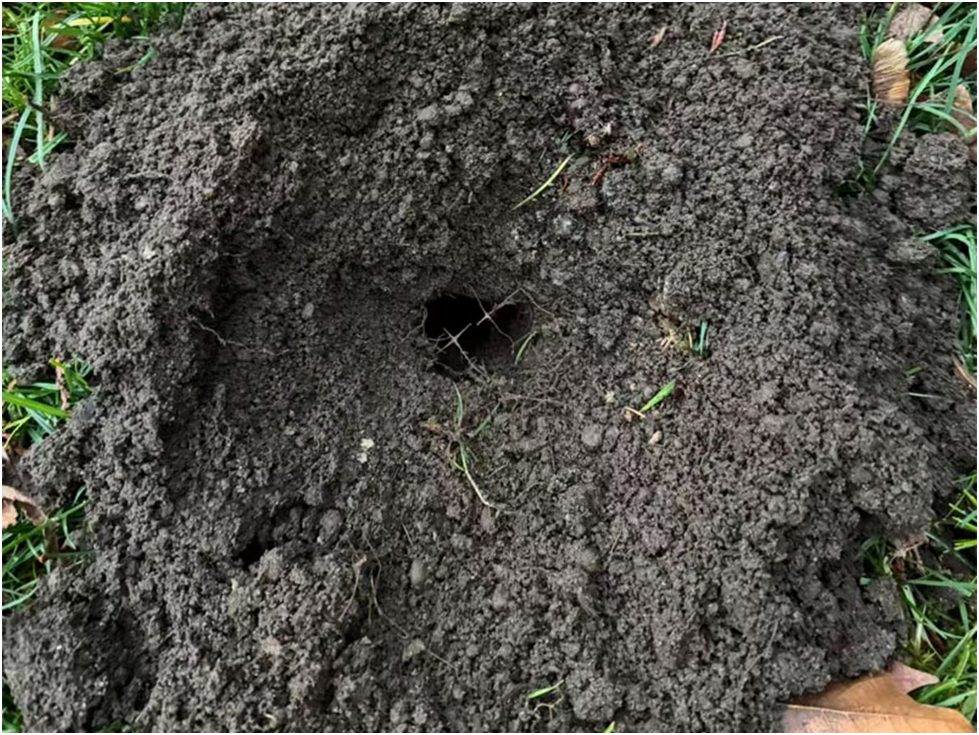
Fig. 7 Soil-pushing opening for gopher tunnel construction
If you can see many plant stems, grass roots, fine roots, or bitten-off plant pieces about 1 inch long inside or near the opening, the entrance is related to feeding activity. Feeding openings are usually close to vegetable beds, lawns, fruit-tree root zones, or areas with plant damage. Because gophers may pass through these locations repeatedly within a short period while searching for food, areas near these openings are also good priority installation locations. See Fig. 8: Temporary gopher feeding opening.
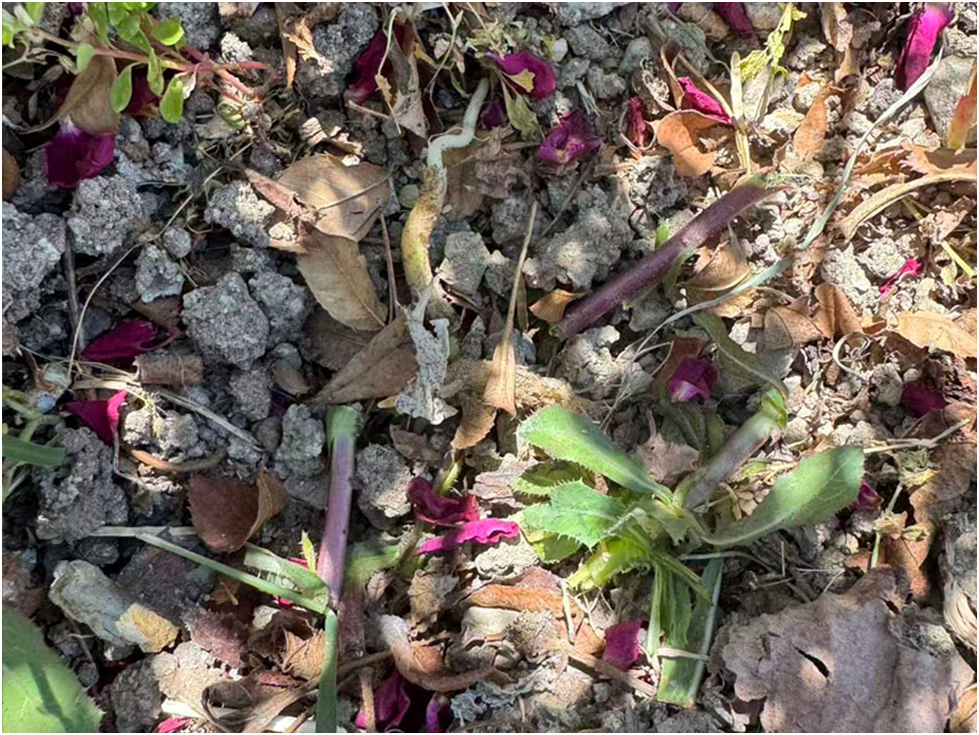
Fig. 8 Temporary gopher feeding opening
If the opening is slightly sunken, has a small amount of sealing soil on the surface, and the soil is not very fresh, the gopher may have already used it and begun to close it. Whether this type of opening will continue to be used frequently is uncertain, so it should usually not be the first choice. See Fig. 9: Abandoned ventilation opening.
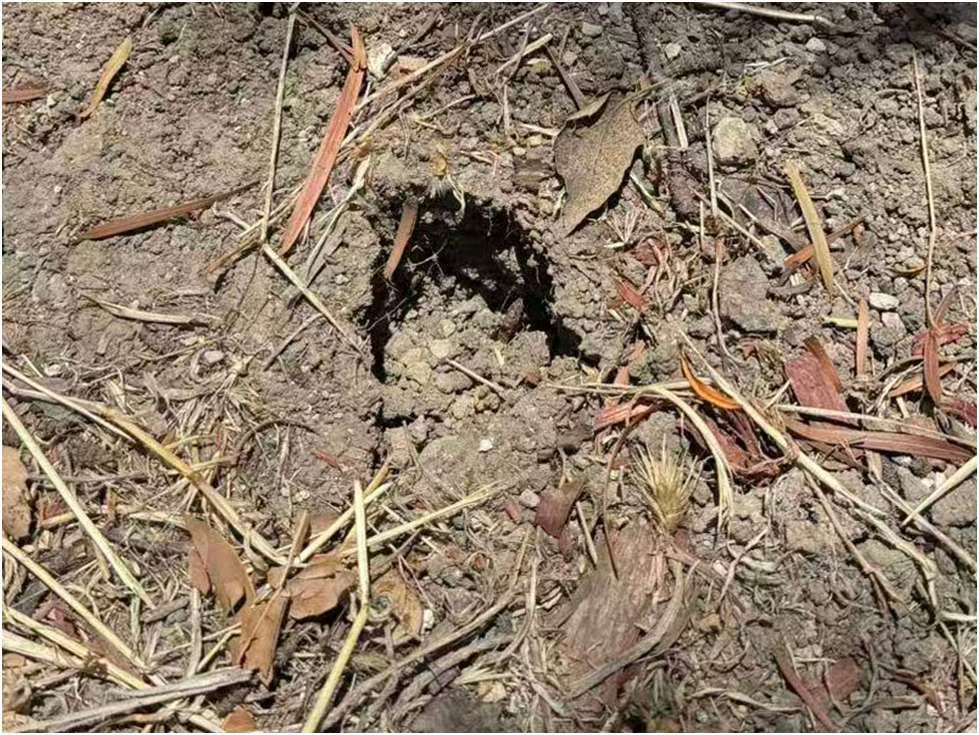
Fig. 9 Abandoned ventilation opening
Therefore, when choosing an installation location for a KEVENZ device, use the following priority order:
1. Fresh open ventilation opening (see Fig. 6)
The opening is clean and there is no obvious soil debris around it. The gopher may return soon to plug it, so it is suitable for timely installation.
2. Feeding opening (see Fig. 8)
There are plant stems, grass roots, or bitten-off roots inside or around the opening. It is near damaged plants, indicating that repeated recent activity is possible.
3. Soil-pushing opening (see Fig. 7)
The mound is large, the opening is wide, and fresh soil is obvious. It is usually related to an active tunnel and is also suitable for inspection and installation.
4. Old ventilation opening that is sunken and has a small amount of sealing soil (see Fig. 9)
It may have already been used and is beginning to be abandoned. Unless there are still fresh signs of activity nearby, it is not recommended as the first choice.
A more reliable approach is not to judge by a single opening alone. Instead, consider fresh soil mounds, entrance size, plant residue inside the opening, the condition of soil sealing, and nearby plant damage together.
Gopher Control Guide Series
Original Statement
This article is original content published by KEVENZ and is protected by applicable copyright laws. When quoting, referencing, or reposting any portion of this page, please retain the original source link and clearly identify KEVENZ as the source.
Keep Building Your Gopher Control Guide
These related KEVENZ blog posts connect directly to the same topic cluster, so readers can move from problem discovery to setup, placement, and better catch results without dropping out of the journey.
Reader comments
Share your experience, field notes, or practical questions about this topic.